English
 中文简体
Content
Nitrogen is an indispensable utility across modern manufacturing, chemical synthesis, metallurgy, and electronics fabrication. While smaller or medium-scale demands are frequently satisfied by Pressure Swing Adsorption (PSA) or membrane units, applications requiring ultra-high purity (99.999% and above) alongside large-scale gaseous or liquid capacity rely exclusively on the Cryogenic Nitrogen Generation System.
Operating on the foundational principles of fractional distillation at cryogenic temperatures, these advanced systems deliver unmatched reliability, massive volumetric output, and high energy efficiency for industrial end-users.
1. Thermodynamic Principles of Cryogenic Nitrogen Extraction
Cryogenic nitrogen separation leverages the physical property differences between atmospheric components. Atmospheric air is composed primarily of nitrogen (~78.09%), oxygen (~20.95%), and argon (~0.93%). Under atmospheric pressure, their boiling points differ:
- Nitrogen (N2): -195.79 ℃ (77.36 K)
- Argon (Ar): -185.85 ℃ (87.30 K)
- Oxygen (O2): -182.96 ℃ (90.19 K)
Because nitrogen has the lowest boiling point, it remains in gaseous form longer or vaporizes more readily during fractional distillation, allowing it to be drawn off efficiently from the top of the fractionation column.
2. Comparing Nitrogen Production Technologies
Evaluating nitrogen generation options requires examining scale, purity ceiling, and capital expenditure dynamics. The matrix below contrasts cryogenic nitrogen generation with alternative methods.
| Evaluation Parameter | Cryogenic Nitrogen Generation System | Pressure Swing Adsorption (PSA) | Membrane Separation Systems |
|---|---|---|---|
| Max Achievable Purity | Ultra-High (up to 99.9999%) | High (99.5% - 99.99%) | Standard (95.0% - 99.5%) |
| Production Capacity | Large to Mega-Scale (>500 Nm3/h to 50,000+ Nm3/h) | Small to Medium (10 - 3,000 Nm3/h) | Small to Medium (5 - 1,500 Nm3/h) |
| Liquid Storage Capability | Native capability to produce and store Liquid Nitrogen (LIN) | Not available (Gaseous only) | Not available (Gaseous only) |
| Unit Energy Cost at Scale | Highly economical at high volumes due to scale | Linear energy scaling; higher per unit at scale | Dependent on feed air pressure drop |
| Primary Target Industries | Electronics, bulk chemicals, large metallurgy, float glass | Laser cutting, food packaging, electronics assembly | Offshore platforms, vessel purging, tire inflation |
3. Core Subsystems of a Cryogenic Nitrogen Plant
A robust nitrogen generation plant integrates several precision-engineered mechanical and thermal modules:
A. Compression and Pre-Cooling
Ambient air is drawn through multi-stage intake filters and pressurized via a Main Air Compressor (MAC). The resulting heat of compression is removed using water-cooled heat exchangers and a Direct Contact Cooler (DCC), eliminating bulk humidity.
B. Purification Unit (PPU)
Before entering sub-zero environments, trace impurities such as water vapor, carbon dioxide (CO2), and acetylene must be completely scrubbed. Dual-vessel molecular sieve beds operate on Temperature Swing Adsorption (TSA), alternating between adsorption and thermal regeneration to maintain a continuous dry air feed.
C. Cold Box and Distillation Columns
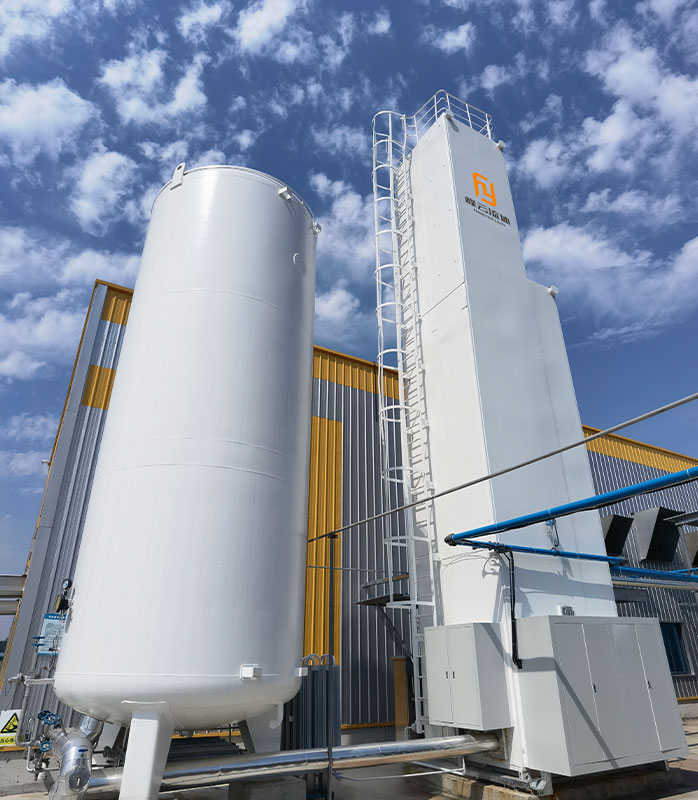
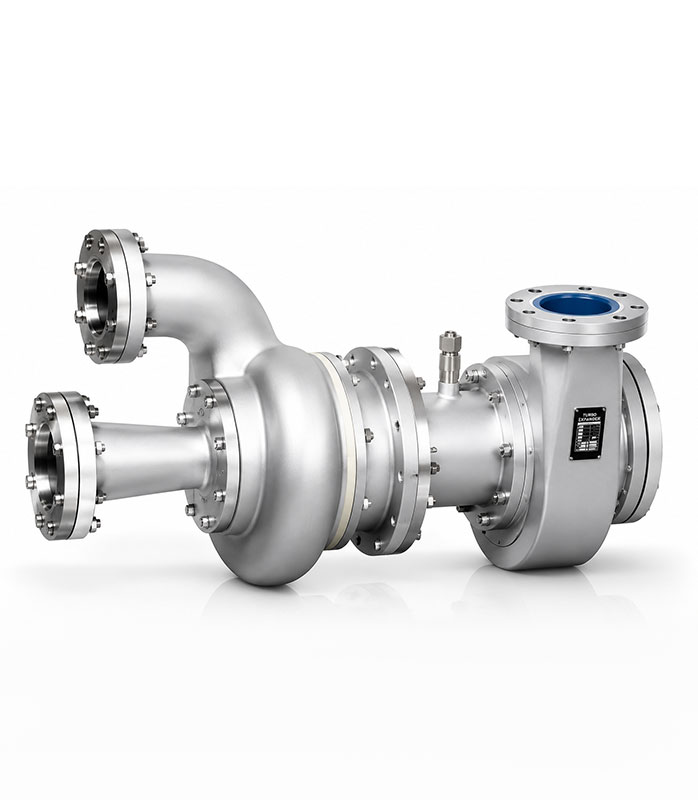
The purified air is routed into the insulated Cold Box, where multi-stream plate-fin heat exchangers cool the stream against returning cold product gases. Cryogenic expansion turbines provide the necessary refrigeration effect. Inside the distillation column, ascending vapor and descending liquid interact across structured packing trays, separating high-purity nitrogen at the top and oxygen-enriched liquid at the bottom.
4. Automation and Smart Operational Management
Modern industrial installations integrate advanced control systems to maximize operational stability and minimize power consumption:
- Distributed Control Systems (DCS): Real-time monitoring of pressure differentials, temperature gradients, and purity sensors ensures automated tuning of valve positions and compressor load.
- IoT Telemetry and Cloud Diagnostics: Remote sensor networks aggregate performance telemetry, allowing engineering teams to predict maintenance intervals, track energy use per cubic meter, and prevent unscheduled downtime.
- Liquid Backup Integration: Coupling nitrogen generation plants with liquid nitrogen (LIN) storage vessels buffers against peak demand fluctuations or emergency plant turnarounds.
5. Industrial Application Sectors
6. Frequently Asked Questions (FAQ)
Cryogenic nitrogen systems routinely produce high-purity gaseous nitrogen with residual oxygen levels below 1 part per million (ppm), achieving purities up to 99.9999% (6N) without requiring secondary catalytic de-oxo purification units.
While PSA units are efficient for intermittent or lower-volume demands, their specific energy consumption scales linearly. For large-scale industrial operations exceeding 1,000 Nm3/h, cryogenic systems leverage robust economies of scale, resulting in a substantially lower specific power consumption per cubic meter of nitrogen produced.
Yes. By adjusting the refrigeration capacity within the cold box through turbo-expander regulation, dual-purpose cryogenic systems can liquefy a portion of the purified nitrogen stream to produce Liquid Nitrogen (LIN) for on-site cryogenic storage vessels and backup vaporization skids.
Routine maintenance includes daily monitoring of pressure drops across molecular sieve beds, periodic inspection of compressor lubricating systems, calibration of inline oxygen analyzers, and scheduled overhauls of cryogenic expansion turbines typically performed every 24,000 to 32,000 operational hours.
For skid-mounted modular systems, installation and cold commissioning typically range from 4 to 8 weeks. Larger custom-engineered field-erected plants require 3 to 6 months of site installation, pressure testing, cold box perlite insulation filling, and stabilization prior to commercial handover.
Partnering for Advanced Gas Engineering
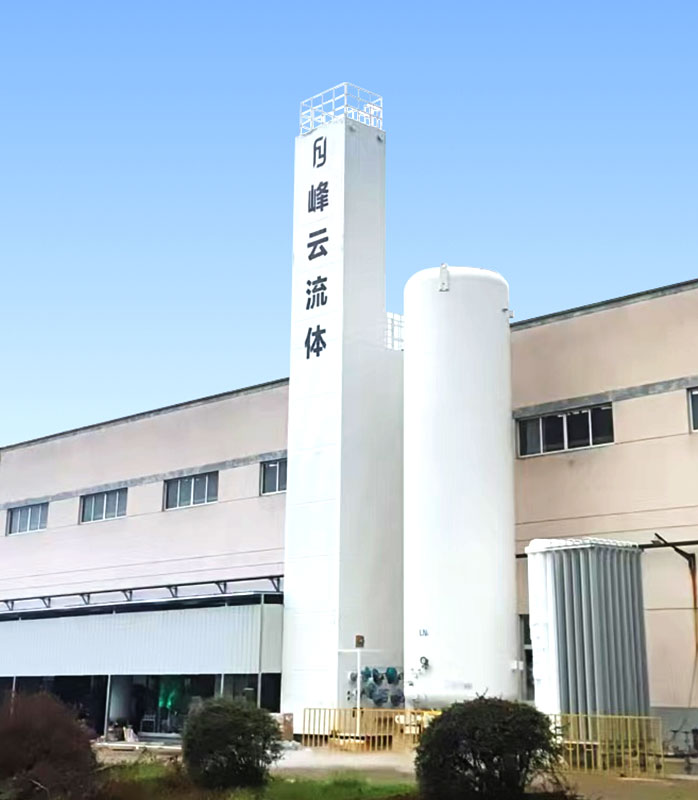
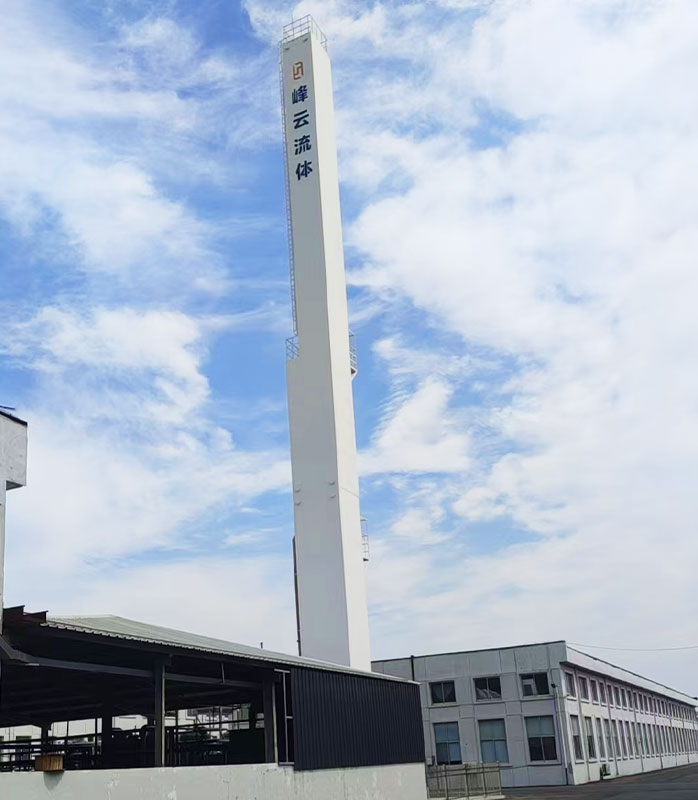
When implementing industrial gas infrastructure, dependable manufacturing and technical support are critical. Suzhou Fengyun Fluid Technology Co., Ltd. specializes in the design, manufacturing, delivery, and operation of cryogenic air separation and nitrogen generation systems. Backed by a team of 86 engineers and technical specialists, the company’s capabilities span station planning, equipment sales and leasing, on-site gas generation, and outsourced technical services. Leveraging an IoT-enabled platform, Fengyun delivers smart gas supply solutions tailored to customer operations.
 Previous