English
 中文简体
Content
- 1 What Industrial Gas Supply Reliability Actually Measures
- 2 Where Industrial Gas Supply Reliability Breaks Down
- 3 On-Site Generation vs Delivered Gas: Which Industrial Gas Supply Reliability Profile Fits
- 4 Equipment Choices That Set Your Uptime Ceiling
- 5 Operating Discipline That Keeps Industrial Gas Supply Reliability Above 99%
- 6 Frequently Asked Questions About Industrial Gas Supply Reliability
An unplanned nitrogen outage at a heat-treatment line costs far more than the gas itself. A 600 Nm3/h supply point that trips at 02:00 leaves the furnace holding temperature for eight minutes, and then turns a batch that was forty minutes from completion into scrap. Industrial gas supply reliability is measured in that gap, between the second specification gas stops flowing and the moment production can restart.
Fengyun (Suzhou) Fluid Technology Co., Ltd., a cryogenic air separation manufacturer based in Wujiang District, Suzhou, builds both the equipment and the operating model that decide how wide that gap becomes. Its systems span 400 to 30,000 Nm3/h across nitrogen, oxygen and combined air separation, which means the reliability question is normally answered long before the first tanker or pipeline contract is signed.
This guide covers how reliability is actually measured, where supply chains fail, how the main supply modes compare on uptime, and which equipment and operating habits push availability from the mid-90s into the high 99s.
What Industrial Gas Supply Reliability Actually Measures
Industrial gas supply reliability is the probability that a site receives gas at the contracted purity, pressure and flow for every hour of production it was promised, including the hours immediately after a fault. That final clause is the one most supply agreements leave soft, and it is usually the clause that decides whether a plant keeps running.
Buyers and suppliers tend to compress the whole subject into one uptime percentage, which hides the parts that hurt. An agreement offering 99.5 percent availability with a 24-hour recovery allowance is a different product from one offering 99.5 percent with a four-hour restart, even though the two numbers look identical in a tender document. The first will lose a shift. The second will lose an hour.
Five metrics decide whether a supply agreement is genuinely robust.
| Metric | What it captures | Defensible target |
| Availability | Share of scheduled production hours with gas inside specification | 99.5 percent or higher |
| Purity stability | Drift of oxygen or nitrogen content from the contracted value | Within 0.1 percent of specification |
| Turndown range | Flow the plant holds at a stable header pressure | 40 to 100 percent of design |
| Recovery time | Hours from trip to full specification output | Under 4 hours |
| Backup autonomy | Hours of supply available without the primary plant | 8 to 24 hours |
Read together, those numbers explain why two sites with identical headline availability can post very different production results. The site with a four-hour recovery ceiling and eight hours of stored backup absorbs events that stop the other site outright.
Where Industrial Gas Supply Reliability Breaks Down
Most unplanned supply interruptions trace back to four causes: contaminated feed air, rotating equipment failure, single-source logistics, and demand growth that quietly outruns the installed plant. In cryogenic air separation the pattern is consistent enough to plan around, and three of the four causes sit upstream of the separation column itself.
- Feed air contamination. Saturated molecular sieve beds and leaking switching valves let carbon dioxide and moisture reach the cold box. Water and carbon dioxide freeze at cryogenic temperatures and block passages, so the plant trips on rising resistance long before a purity alarm would have sounded.
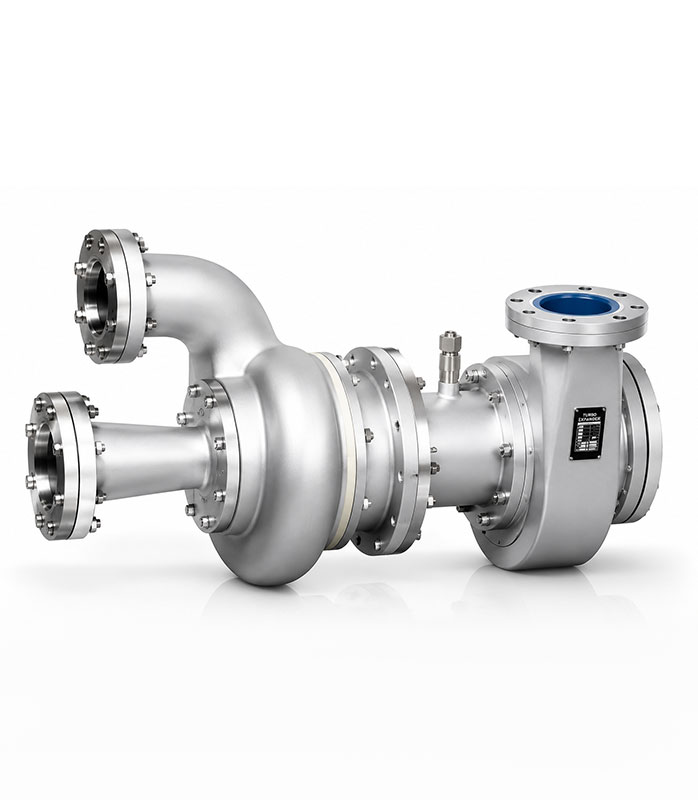
- Rotating equipment failure. The air compressor and the turbo expander carry the mechanical risk of the whole plant. Bearing wear, seal leakage and lube oil carryover into the pre-treatment skid account for a large share of forced outages, and most of them announce themselves weeks in advance through vibration trends that nobody is reading.
- Single-source logistics. Delivered liquid depends on trucks, roads and drivers. A closed highway or an ice event can push a delivery back by twelve hours, so any site holding less than a day of liquid buffer is exposed to weather it cannot control.
- Capacity creep. Production teams add a furnace, raise a flow set point, or extend to a third shift. Demand grows five to ten percent a year while the air separation plant keeps running at nameplate, and the result is zero margin: any disturbance becomes a supply event.
On-Site Generation vs Delivered Gas: Which Industrial Gas Supply Reliability Profile Fits
On-site cryogenic generation delivers the higher availability profile because it removes logistics from the equation entirely. Delivered liquid remains the better fit for low volumes, short project horizons, or sites without the power supply and floor space a cold box needs. The decision is usually settled by volume and time horizon, not by preference.
On-site generation
- Availability depends on your own maintenance schedule rather than a supplier's delivery plan.
- No road, weather or driver dependency, which removes the single most common cause of interruption.
- Cost per Nm3 falls as volume rises; systems from 400 to 30,000 Nm3/h cover most industrial demand profiles.
- Requires engineering lead time, a power supply sized for the compressor, and space for the cold box.
Delivered liquid
- Fastest route to first gas, with no capital plant and no operating crew to staff.
- Reliability is capped by tanker logistics and by how much storage volume sits on site.
- Cost per Nm3 carries liquefaction, transport and evaporation losses on every delivery.
- Best fit below roughly 200 Nm3/h, or for temporary peaks and short-lived projects.
Availability also varies within a single supply mode. Two liquid-supplied sites can sit a full percentage point apart depending on storage volume and on whether a backup vaporizer is installed and actually exercised. Generation modes behave the same way: a monitored plant with headroom performs like a different asset from an identical plant running flat out.
Annual availability by industrial gas supply mode
Illustrative availability ranges across industrial supply modes. Actual performance depends on plant sizing, storage volume and maintenance practice.
Where a site decides to generate its own gas, sizing becomes the first reliability decision. A plant built around today's average demand and running at 100 percent of nameplate has no room to absorb a heat wave, a fouled filter element or an extra shift, and running a cold box flat out also shortens the service intervals on every rotating part inside it.
A dedicated cryogenic nitrogen generation system is the common answer when nitrogen is the only gas the process consumes, because the site avoids co-producing oxygen it has no local buyer for. A single-product plant is also a simpler plant: fewer analyzers, fewer control loops, and fewer places where purity can drift.
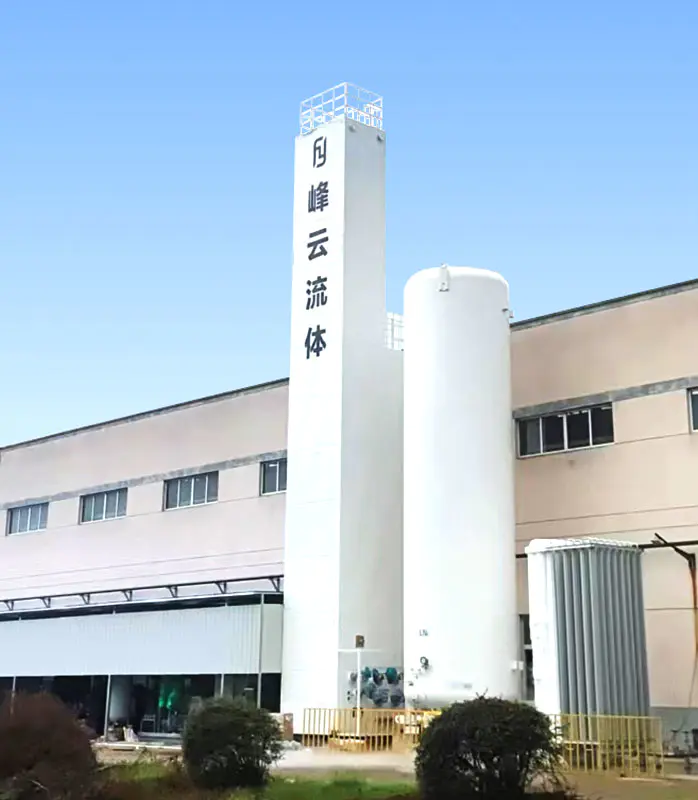 Cryogenic Nitrogen Generation System for Continuous High-Purity Nitrogen SupplyFor sites that need nitrogen only, this cryogenic system avoids co-producing oxygen and delivers high-purity continuous nitrogen at large scale.View Product →
Where oxygen and nitrogen are both required, a nitrogen-oxygen combined air separation system removes a second cold box, a second operating crew and a second failure surface from the site. Combined production also means one set of instruments, one maintenance schedule and one reliability number to manage. It is one of the reasons on-site gas generation keeps displacing delivered supply at higher volumes.
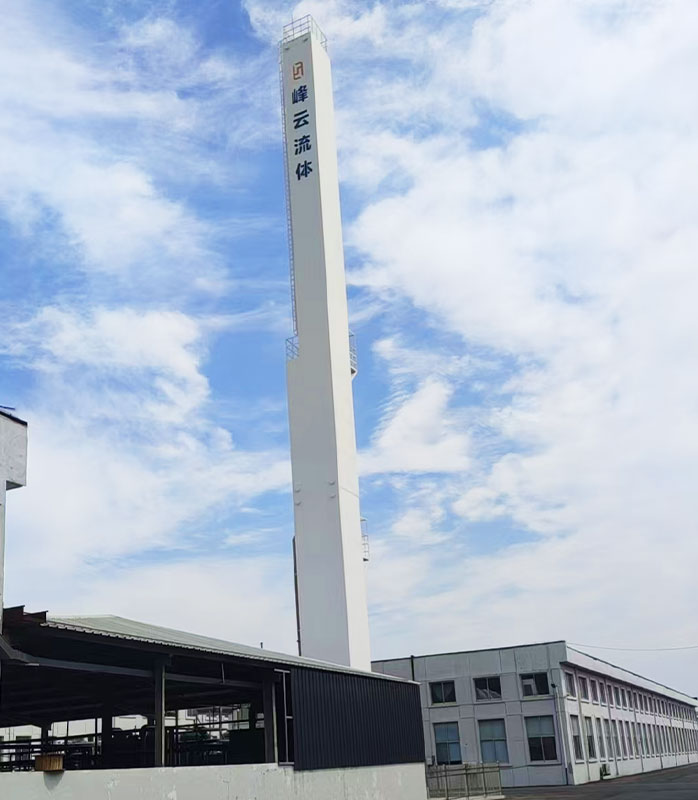 Nitrogen and Oxygen Combined Air Separation System for Large-Scale Industrial Gas SupplyWhen oxygen and nitrogen are both required, this integrated ASU produces both gases with optional argon recovery and one shared control and maintenance scope.View Product →
Equipment Choices That Set Your Uptime Ceiling
A plant cannot be more reliable than its weakest rotating or separation component, so most of the available uptime is decided at the specification stage rather than in the maintenance plan. Compressors, purifiers, columns and expanders each fail in a recognisable way, and each failure signature can be designed out or instrumented before it costs a batch.
| Component | Failure signature | What protects availability |
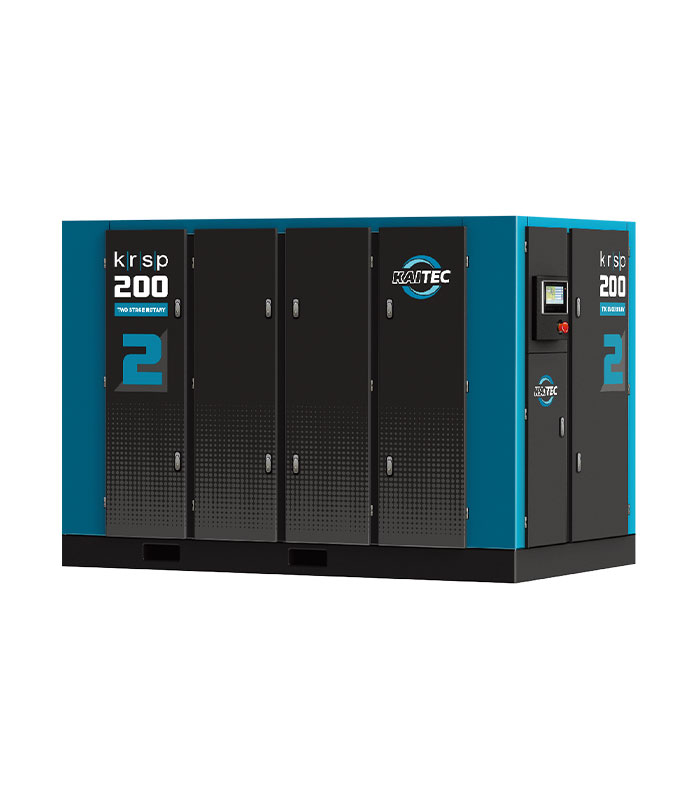
| Industrial air compressor | Bearing wear, seal leakage, oil carryover into the pre-treatment skid | Vibration trending, oil analysis, service intervals set by running hours rather than calendar months |
| Molecular sieve purifier | Carbon dioxide or moisture breakthrough, switching valve leakage | Continuous carbon dioxide and dew point analysis, valve overhaul on a fixed cycle |
| Cryogenic distillation column | Rising pressure drop, tray fouling, drifting reflux | Pressure drop trending, stable reflux ratio, purity margin held above contract |
| Turbo expander | Nozzle wear, seal gas loss, speed or brake faults | Dry gas seals, speed and vibration monitoring, filtered inlet |
| Storage and backup vaporizer | Insufficient autonomy, vaporizer freeze-up after long idle periods | Storage sized to 8 to 24 hours of demand, vaporizers exercised monthly |
Pre-treatment is the cheapest place to buy reliability. A molecular sieve purifier specified with margin, and supported by continuous carbon dioxide and dew point analysis downstream of it, removes the failure mode that damages everything after it. Purification faults rarely stop at one component; they travel through the cold box and take the column with them.
 Molecular Sieve Purifier for Cryogenic Air Separation Pre-TreatmentThis pre-treatment unit removes moisture, CO2, and trace hydrocarbons before the cold box, protecting downstream cryogenic equipment and supporting reliable continuous operation.View Product →
Operating Discipline That Keeps Industrial Gas Supply Reliability Above 99%
Availability above 99 percent comes from five operating habits, and four of them cost very little when measured against the value of a single lost production batch. None of them require a second plant, and all of them shorten the distance between a developing fault and a planned intervention.
- Size for the demand you will have in three years, not the demand you have today. Adding 15 to 20 percent of headroom at the specification stage costs a fraction of what a later capacity upgrade costs in lost output.
- Instrument the four parameters that fail first: carbon dioxide concentration after the purifier, dew point, compressor vibration, and column pressure drop. These four trends cover the majority of failure paths into a cryogenic plant.
- Hold critical spares on site. Switching valves, seal kits, filter elements and analyzer cells have long lead times, and every week spent waiting on a part is a week of degraded or interrupted supply.
- Set alarm thresholds that trigger action rather than investigation. An alarm that only starts a discussion adds hours to a recovery that was already measured in hours.
- Rehearse the switchover. Sites that practise moving to backup supply, including a real vaporizer start, recover in minutes when the event is genuine.
Monitoring ties the five habits together. A plant connected to an IoT remote operation platform converts a developing fault into a scheduled two-hour intervention instead of a forced ten-hour outage, because the trend is visible before the trip.
Frequently Asked Questions About Industrial Gas Supply Reliability
What availability figure should a gas supply contract specify?
99.5 percent is the common floor for continuous industrial processes, but the figure is only meaningful when paired with a recovery-time clause and a defined purity band. A contract that promises 99.5 percent availability and permits 24 hours of recovery will still fail a process that cannot survive four hours without gas, no matter how strong the headline number looks.
Is on-site nitrogen generation more reliable than delivered liquid nitrogen?
For continuous demand, yes. On-site generation removes road, weather and supplier scheduling risk from the supply chain and leaves only equipment reliability, which the site controls directly. Below roughly 200 Nm3/h, delivered liquid usually wins on total cost, and the reliability gap narrows considerably once adequate storage is installed.
How much storage or backup capacity is enough?
Eight hours is a practical minimum for a single-shift operation, and 24 hours is the working target for sites with no alternative gas source and no ability to pause production. The figure should be calculated from the cost of one hour of downtime, not from the price of the tank.
How long does a cryogenic air separation plant take to return to specification after a trip?
A warm restart takes 12 to 24 hours, because the distillation column must be re-cooled and re-stabilised before purity settles inside the contract band. A plant held on cold standby can return in one to four hours. That difference is why idling a column is sometimes cheaper than shutting it down.
 Previous